Speech Pathology Craigieburn
Effective communication is paramount to one's well-being and life quality. However, many individuals with intellectual disabilities, brain traumas, hearing impairments, swallowing complications, or social anxieties often grapple with the challenges of articulate speech and expression. Such barriers not only heighten behavioural concerns but can also dent self-esteem and foster feelings of isolation, particularly in those with specific conditions or heightened social difficulties.
Speech pathology, a niche within allied health, is devoted to diagnosing and remedying these communication issues. This encompasses challenges in speech, attentive listening, understanding, reading, writing, managing social interactions, and controlling voice tones.
Paediatric care deeply values the discipline of speech pathology, acknowledging that effective communication forms the bedrock of human interactions and personal development. For many children, acquiring speech and language skills is a crucial gateway to expressing feelings, narrating experiences, and connecting with their surroundings. Early engagement with speech pathology can be pivotal, helping to identify and address any communicative challenges, ensuring children cultivate robust speaking and listening abilities.
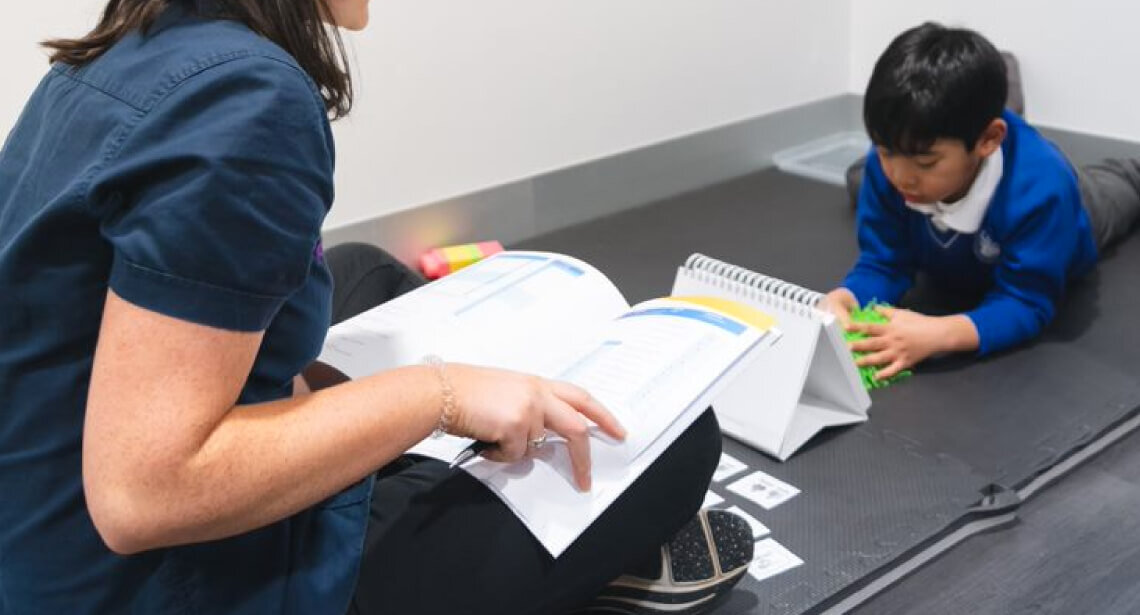
When considering children with disabilities, the role of paediatric speech pathology becomes even more vital. These young individuals may grapple with particular speech or language impediments linked to their specific conditions, from articulation challenges to understanding nuances in conversation. Skilled paediatric speech pathologists craft tailored strategies, offering these children bespoke interventions to enhance their communicative capacities. Through the lens of speech pathology, every child is equipped with the tools to articulate their thoughts and feelings, fostering enriched relationships and self-confidence.
At our Craigieburn facility, our seasoned speech pathologists offer tailored solutions, incorporating feedback from the individual's history, their loved ones, and other medical professionals. These interventions target both the physical and emotional facets of communication, such as addressing an anxiety-induced stutter. Beyond remediation, they also teach new techniques, like enhanced listening, to improve communication prowess. For those under the NDIS, partnering with a speech pathologist can usher in significant enhancements in diverse life areas, ranging from establishing social bonds and engaging in leisure to academic achievements, enabling a deeper and enriched engagement with their surroundings.