Assistive Technology Reservoir
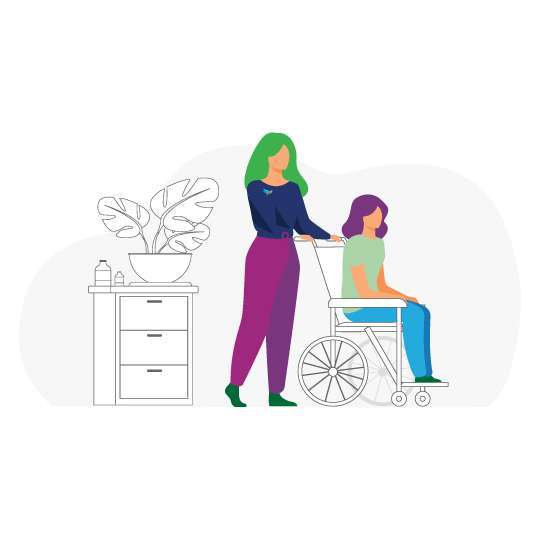
Assistive technology (AT) and support devices play a pivotal role in bolstering independence, allowing individuals with injuries or disabilities to manage daily activities. Defined by the World Health Organisation (WHO) as tools or systems that enhance task performance, the NDIS classifies AT into four complexity levels: from simple aids like non-slip mats (levels 1 and 2), to modified tools like electronic desktop adjustments (level 3), up to advanced custom solutions like myoelectric prosthetics (level 4). Mobility aids, including possibly customised wheelchairs, are also categorised under AT. These devices cater to a vast range of functions, from basic self-care to professional responsibilities. To achieve individual autonomy objectives, Soaring Health's occupational therapists collaborate with a person's extended healthcare team, ensuring the selection and fitting of devices that maximise functionality, independence, and overall quality of life.
The realm of paediatric care has been significantly enriched by the emergence of assistive technology and tailored therapeutic devices. Crafted with precision for children, these tools offer a lifeline, especially for those with disabilities or facing developmental hurdles. From custom mobility solutions like wheelchairs to innovative communication aids such as voice synthesizers, assistive technology provides children with enhanced avenues to explore their surroundings with independence and self-assurance.
The indispensability of such paediatric tools is even more palpable for children with distinct disabilities. Designed to address unique challenges, these devices are at the forefront of promoting inclusivity. Whether it's aiding children with cognitive difficulties in their educational endeavours or simplifying routine tasks, the focus remains on fostering an environment where every child can maximise their potential and relish their individual developmental journey.