Speech Pathology Reservoir
Communication is fundamental to an individual's well-being, yet many with intellectual disabilities, brain injuries, hearing issues, swallowing disorders, or social anxiety face notable challenges in verbal expression. Such communication barriers can exacerbate behavioural concerns, diminish self-esteem, and lead to feelings of isolation for those with social challenges or specific diagnoses. Speech pathology, an expert branch within allied health, addresses these communication disorders, encompassing challenges in speaking, listening, comprehension, reading, writing, social interactions, and voice usage.
In paediatric care, the role of speech pathology is of paramount importance, given that clear communication is foundational to a child's social and cognitive development. For children, developing proficient speech and language skills extends beyond mere pronunciation; it encompasses the ability to share feelings, relay experiences, and interact meaningfully with their environment. By tapping into speech pathology at an early stage, potential barriers to effective communication can be identified and mitigated, fostering more fluid and confident speech.
For children who have disabilities, the contribution of paediatric speech pathology is even more profound. These young individuals might face distinct challenges, from articulating certain sounds to understanding conversational nuances, often influenced by their specific conditions. Drawing upon their expertise, paediatric speech pathologists devise tailored strategies that align with the individual needs of these children, enabling them to navigate communication hurdles. With speech pathology's dedicated focus, each child is championed in their quest to communicate more freely, enhancing both their self-expression and overall quality of life.
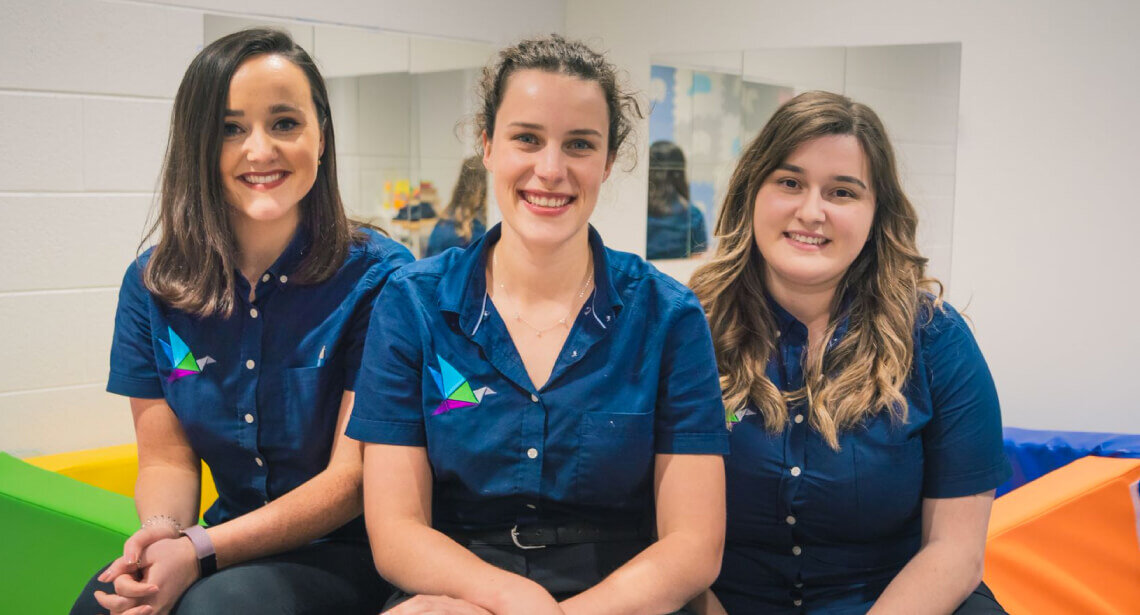
Our speech pathologists in our Reservoir clinic tailor interventions based on individual needs and insights from friends, family, and other healthcare providers. They offers exercises to tackle both the physical and mental aspects of communication hurdles, like anxiety-induced stuttering. They also instil new competencies, such as enhanced listening, to improve communication. For those under the NDIS, collaborating with a speech pathologist can profoundly impact various life facets, from social engagements and play to academic accomplishments, paving the way for a richer interaction with their environment.