Speech Pathology Templestowe
Clear communication is vital for overall well-being and quality of life, but individuals with conditions ranging from intellectual disabilities to social anxieties can face obstacles in fluent expression and interaction. These challenges can exacerbate behavioural issues and amplify feelings of seclusion, especially among those with specific disorders or pronounced social struggles. The field of speech pathology within allied health is dedicated to identifying and addressing such communication hindrances, encompassing areas from speech and comprehension to social interaction and voice modulation.
Within the realm of paediatric care, speech pathology stands out as a fundamental discipline, emphasising the crucial role of effective communication in a child's journey of growth and learning. For children, the development of speech and language isn't merely about word formation; it's the bridge to conveying emotions, sharing stories, and actively participating in the world. Prompt intervention in speech pathology can make a world of difference, ensuring potential communication challenges are addressed early, setting the stage for clearer and more confident interactions.
For children with disabilities, paediatric speech pathology takes on an enhanced significance. They might encounter specific communicative hurdles due to their conditions, ranging from pronunciation difficulties to processing spoken information. Paediatric speech pathologists, equipped with specialised knowledge, design interventions tailored to these children's needs, empowering them to communicate with greater clarity and assurance. Through the meticulous work of speech pathology, every child, irrespective of their distinct challenges, is given the support to find and use their voice effectively.
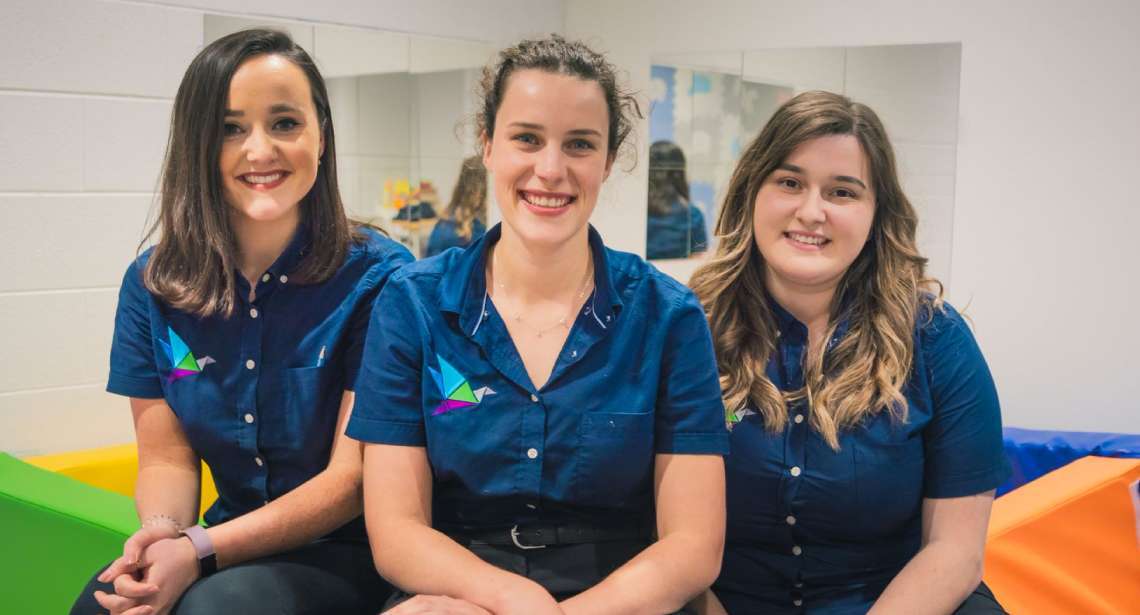
At our Templestowe clinic, our experienced speech pathologists devise personalised strategies based on comprehensive input from the individual, their family, and other healthcare experts. These interventions address both the physiological and psychological dimensions of communication and go beyond rectification to introduce new skills, such as advanced listening techniques. For those engaged with the NDIS, collaboration with a speech pathologist can herald marked improvements across life facets, including forming social connections, academic pursuits, and deeper interaction with their environment.