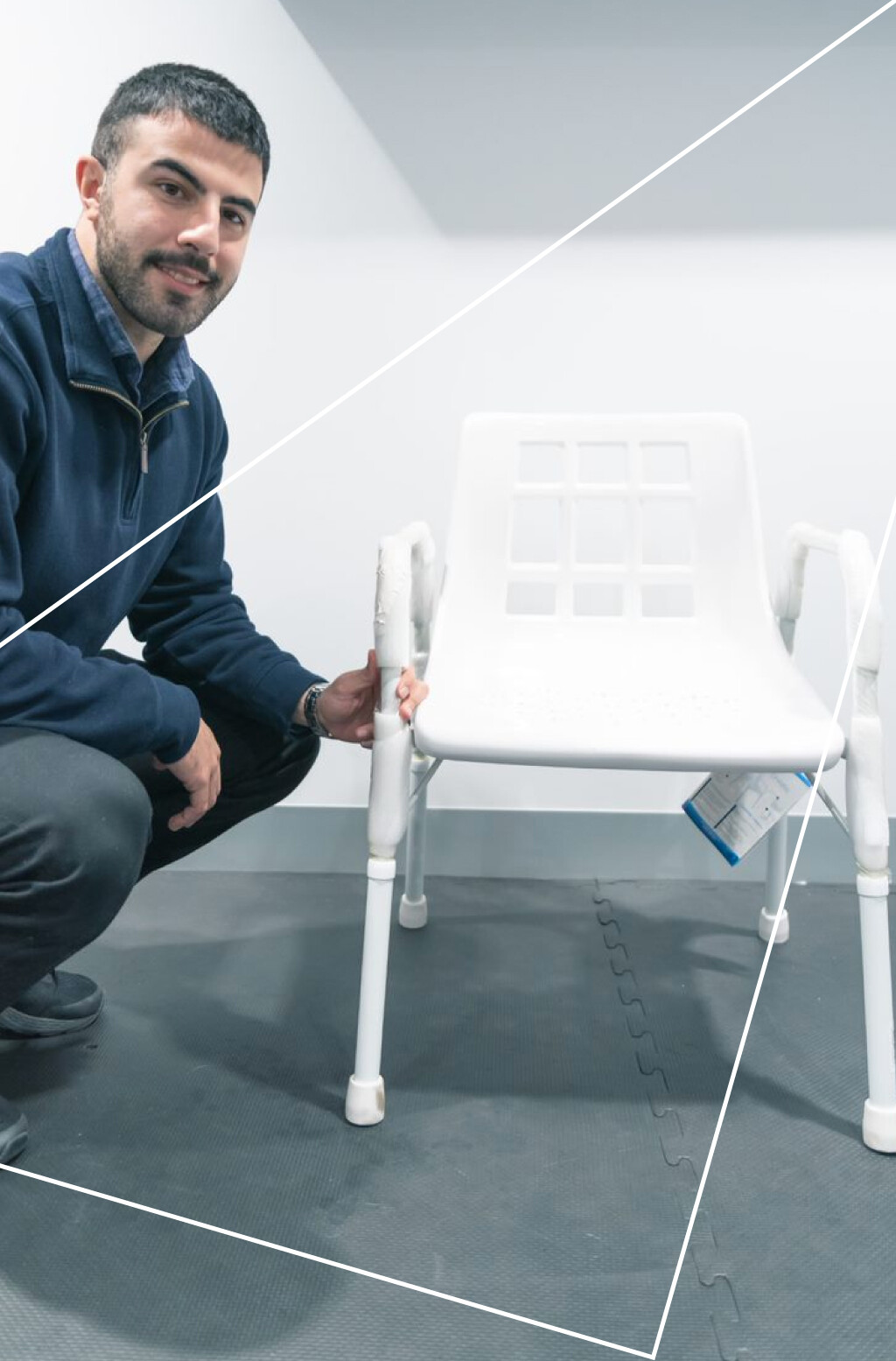
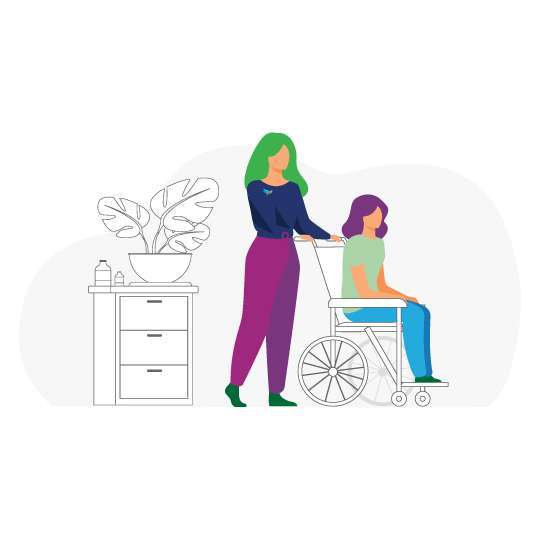
Assistive technology (AT) and supportive devices are instrumental in fortifying the independence of individuals grappling with injuries or disabilities, empowering them to competently handle day-to-day tasks. As articulated by the World Health Organisation (WHO), AT encompasses a diverse array of tools and systems meticulously designed to augment an individual's ability to perform tasks. The NDIS has adeptly structured AT into a four-tiered complexity system. This categorisation starts with basic, yet effective aids like non-slip mats (levels 1 and 2), progresses to more intricate modifications such as electronic desktop enhancements (level 3), and culminates in sophisticated tailor-made solutions, exemplified by innovations like myoelectric prosthetics (level 4). Furthermore, the spectrum of AT incorporates a variety of mobility aids, which includes bespoke wheelchairs tailored to individual needs. The breadth and depth of AT devices cater to an extensive array of functionalities, spanning from rudimentary self-care routines to intricate professional tasks. Recognising the profound impact of AT, Soaring Health's dedicated occupational therapists here at out Thomastown clinic engage in holistic collaborations with an individual's comprehensive healthcare ensemble. This integrated approach ensures the meticulous selection, precise customisation, and adept fitting of devices, with an unwavering focus on enhancing an individual's functional capacity, nurturing their sense of independence, and enriching their overall life experience.
Paediatric care has seen a transformative shift with the integration of assistive technology and therapeutic support devices. For many children, especially those with developmental challenges or physical disabilities, such tools act as vital bridges, enabling them to interact, learn, and communicate with greater ease. Assistive technology, tailored to the unique needs of children, can play a pivotal role in augmenting their capabilities. From devices that enhance mobility, such as customised wheelchairs, to technology that aids communication, like voice synthesizers, these tools offer children the chance to lead a more autonomous and fulfilling life.
For those in the paediatric realm with disabilities, the impact of assistive devices and therapeutic support becomes even more pronounced. Each device, meticulously designed, caters to the specific challenges faced by these children, ensuring a more inclusive environment for them. Be it tools that facilitate learning for children with cognitive impairments or equipment that assists with daily tasks, such technology underscores the commitment to ensuring every child, irrespective of their challenges, can access opportunities, engage with their surroundings, and thrive in their developmental journey.